Best Techniques to Last Longer Naturally
Premature Ejaculation vs Erectile Dysfunction: Understanding the Difference
Navigating the world of men’s sexual health can be confusing, especially when terms are often used interchangeably or incorrectly. Two of the most common concerns men face are premature ejaculation (PE) and erectile dysfunction (ED). While both can cause distress and affect confidence, they are distinct conditions with different causes and treatments.
Understanding the difference is the first and most crucial step toward finding the right solution. In this guide, we’ll break down everything you need to know about PE vs. ED, clearing up the confusion and empowering you to take control of your sexual health.
What is Premature Ejaculation (PE)?
Premature ejaculation is a condition where a man ejaculates sooner during sexual intercourse than he or his partner would like. It’s fundamentally a problem of timing and control.
The clinical definition of PE typically involves three key components:
- Ejaculation always or nearly always occurs within about one minute of penetration.
- An inability to delay or control ejaculation.
- Negative personal consequences, such as frustration, distress, and the avoidance of sexual intimacy.
It’s important to note that PE is incredibly common. Many men experience it at some point in their lives. It can be caused by a mix of psychological factors, like anxiety and stress, or physical factors, like hormone imbalances or hypersensitivity.
What is Erectile Dysfunction (ED)?
Erectile dysfunction is the inability to get or maintain an erection firm enough for satisfactory sexual intercourse. This is a problem of blood flow and physical mechanics.
ED can manifest in several ways:
- Being unable to get an erection at all.
- Getting an erection, but it isn’t firm enough for penetration.
- Getting a firm erection, but losing it before or during intercourse.
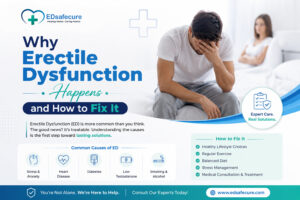
Like PE, ED is also very common, particularly as men age. The causes are often physical, stemming from conditions that affect blood flow, such as heart disease, high blood pressure, diabetes, and obesity. Psychological factors like depression, performance anxiety, and stress can also play a significant role.
The Core Difference: Timing vs. Mechanics
The easiest way to distinguish between the two is to focus on the core issue.
Premature Ejaculation (PE) is about TIMING. The physical ability to get an erection is not the problem; the problem is that the climax happens too quickly.
Erectile Dysfunction (ED) is about MECHANICS. The problem lies in the physical ability to achieve or sustain the erection itself, regardless of when ejaculation might occur.
Can You Have Both PE and ED at the Same Time?
Yes, it is possible to experience both conditions, and they can often be linked in a frustrating cycle. This relationship is typically rooted in performance anxiety.
Here’s a common scenario: A man with ED worries about losing his erection during sex. This anxiety causes him to rush through the act, hoping to finish before his erection fades. This rushing can lead to premature ejaculation. Conversely, a man who consistently experiences PE may become so anxious about it that he finds it difficult to get or maintain an erection in the first place, leading to secondary ED.
Comparing Causes and Treatments
Because PE and ED are different conditions, their causes and treatment paths also differ.
Common Causes
For Premature Ejaculation: The causes are often psychological, including performance anxiety, stress, relationship problems, or early sexual experiences. Physical causes can include abnormal hormone levels, nerve damage, or inflammation of the prostate.
For Erectile Dysfunction: The causes are predominantly physical, especially in older men. These include heart disease, clogged blood vessels, high cholesterol, diabetes, and obesity. Psychological issues like depression and anxiety are also major contributors.
Treatment Approaches
For Premature Ejaculation: Treatment often focuses on behavioral techniques and building control.
- Behavioral Methods: The “start-stop” and “squeeze” techniques help you learn to recognize and control the sensations leading to ejaculation.
- Topical Anesthetics: Numbing creams or sprays can reduce sensitivity.
- Medication: Certain antidepressants (SSRIs) can be prescribed off-label as they have a side effect of delaying orgasm.
- Counseling: Therapy can address underlying anxiety or relationship issues.
For Erectile Dysfunction: Treatment typically targets the physical mechanism of the erection.
- Lifestyle Changes: Improving diet, increasing exercise, quitting smoking, and reducing alcohol intake can have a significant impact.
- Oral Medications: PDE5 inhibitors (like Viagra, Cialis, and Levitra) work by increasing blood flow to the penis.
- Other Medical Treatments: Options include vacuum erection devices, penile injections, and in some cases, surgery.
- Therapy: Counseling can help manage the performance anxiety associated with ED.
When to See a Doctor
If either PE or ED is happening frequently and causing you or your partner distress, it’s a good idea to talk to a healthcare professional. These are medical conditions, not signs of personal failure. A doctor can help you accurately diagnose the issue, rule out any underlying health problems (especially in the case of ED), and guide you toward the most effective treatment.
Breaking the silence is the first step. Both premature ejaculation and erectile dysfunction are common and, most importantly, treatable. By understanding the difference, you can begin the right conversation and get on the path to a more confident and satisfying sex life.