Foods That May Improve Sexual Stamina
Understanding the Difference: Premature Ejaculation vs. Erectile Dysfunction
Navigating the world of men’s sexual health can be confusing, especially when terms like Premature Ejaculation (PE) and Erectile Dysfunction (ED) are often discussed together. While both can cause significant distress and impact your confidence, they are two very distinct conditions with different causes and treatments. Understanding the difference is the first crucial step toward finding the right solution.
If you’ve ever wondered about the distinction, you’re not alone. Let’s break down Premature Ejaculation vs. Erectile Dysfunction to bring clarity to these common sexual health concerns.
What is Erectile Dysfunction (ED)?
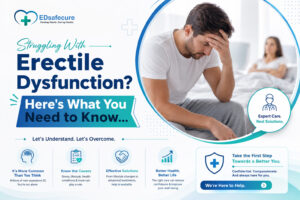
Erectile Dysfunction is defined as the consistent inability to achieve or maintain an erection firm enough for satisfactory sexual intercourse. The key issue here is blood flow and the physical mechanics of an erection.
Think of it as a problem with the “hardware.” The body, for various reasons, isn’t able to trap enough blood in the penis to create or sustain rigidity. This can happen occasionally to most men, but when it becomes a recurring problem, it’s classified as ED.
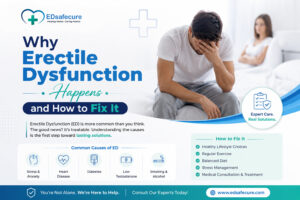
Common causes of ED often include:
- Physical Conditions: Heart disease, high blood pressure, diabetes, obesity, and high cholesterol can all affect blood flow.
- Psychological Factors: Stress, anxiety (especially performance anxiety), depression, and relationship problems can interfere with sexual arousal.
- Lifestyle Choices: Smoking, excessive alcohol consumption, and a sedentary lifestyle can contribute to erectile difficulties.
What is Premature Ejaculation (PE)?
Premature Ejaculation, on the other hand, is not about the ability to get an erection. Men with PE can typically achieve a firm erection without any issue. The problem lies in the timing and control over ejaculation.
PE is characterized by ejaculation that occurs sooner than a man or his partner would like, often within one minute of penetration. This is a problem with the “software” or the nervous system’s control over the ejaculatory reflex. The man feels he has little to no voluntary control over when he climaxes.
The causes of PE are often linked to:
- Psychological Factors: Performance anxiety is a huge contributor. The fear of not lasting long enough can create a self-fulfilling prophecy. Stress, guilt, or early sexual experiences can also play a role.
- Biological Factors: Some men may have abnormal hormone levels, nerve damage from surgery or trauma, or a genetic predisposition to a more sensitive ejaculatory reflex.
PE vs. ED: The Core Differences at a Glance
The simplest way to differentiate the two is to focus on the primary problem. With Erectile Dysfunction, the challenge is achieving or maintaining the erection itself. With Premature Ejaculation, the challenge is controlling the timing of ejaculation after an erection has already been achieved.
In an ED scenario, intercourse may not be possible because of a lack of firmness. In a PE scenario, intercourse is possible, but it ends much more quickly than desired.
The Overlap: Can You Have Both ED and PE?
Yes, and it’s more common than you might think. The two conditions can create a vicious cycle. For example, a man who occasionally experiences ED might become so anxious about maintaining his erection that he rushes through intercourse, leading to premature ejaculation. Conversely, a man who is consistently frustrated by PE can develop performance anxiety, which can then make it difficult for him to get an erection in the first place, leading to secondary ED.
Navigating Treatment Options
Because the root causes are different, the treatments for ED and PE are also distinct. A proper diagnosis from a healthcare provider is essential.
Common treatments for ED include:
- Lifestyle changes like improved diet, exercise, and quitting smoking.
- Oral medications (PDE5 inhibitors) that improve blood flow to the penis.
- Counseling or therapy to address underlying anxiety or depression.
Common treatments for PE include:
- Behavioral techniques like the “start-stop” or “squeeze” methods to build control.
- Topical desensitizing creams or sprays to reduce sensitivity.
- Pelvic floor exercises to strengthen the muscles involved in ejaculation.
- Certain oral medications that can help delay climax.
The First Step: Seeking Professional Guidance
Whether you suspect you have ED, PE, or a combination of both, the most important step is to stop worrying in silence. These are incredibly common medical conditions, not signs of personal failure. Speaking with a healthcare professional can provide you with a clear diagnosis and a personalized treatment plan.
Taking that step is an act of strength that puts you back in control of your sexual health and well-being. With the right support and treatment, you can regain your confidence and enjoy a fulfilling sex life.