Struggling With Erectile Dysfunction? Here’s What You Need to Know
Premature Ejaculation vs. Erectile Dysfunction: Understanding the Difference
In the world of men’s sexual health, few topics are as surrounded by confusion and anxiety as premature ejaculation (PE) and erectile dysfunction (ED). While both can cause significant distress and impact relationships, they are often mistakenly used interchangeably. However, PE and ED are two distinct medical conditions with different causes, symptoms, and treatments.
Understanding the fundamental difference between them is the first and most crucial step toward finding the right solution and regaining your confidence. This guide will break down everything you need to know about premature ejaculation vs. erectile dysfunction.
What is Premature Ejaculation (PE)?
Premature ejaculation is a condition defined by the timing of ejaculation. A man with PE consistently ejaculates much sooner during sexual intercourse than he or his partner would like. The key element is a perceived lack of control over when it happens.
The clinical definition of PE often includes three main components:
- Ejaculation that always or nearly always occurs within one to three minutes of penetration.
- The inability to delay ejaculation during nearly all sexual encounters.
- Negative personal consequences, such as distress, frustration, and the avoidance of sexual intimacy.
Simply put, PE is a problem of timing and control. The ability to get and maintain an erection is usually not the issue.
What is Erectile Dysfunction (ED)?
Erectile dysfunction, on the other hand, is about the quality of the erection itself. It is the persistent inability to achieve or maintain an erection firm enough for satisfactory sexual performance. While an occasional issue with getting an erection is normal, ED refers to an ongoing problem.
Symptoms of erectile dysfunction can include:
- Difficulty getting an erection at all.
- Achieving an erection, but not being able to maintain it long enough for sex.
- A noticeable reduction in libido or sexual desire.
ED is a problem of blood flow and firmness. A man with ED may have no issue with the timing of his ejaculation; the primary challenge is the physical erection.
The Core Difference: PE vs. ED at a Glance
To make it perfectly clear, let’s put the two side-by-side:
Premature Ejaculation (PE): The problem is ejaculating too quickly. The erection is often perfectly firm, but the climax happens before you want it to.
Erectile Dysfunction (ED): The problem is getting or keeping an erection. You may not be able to achieve an erection firm enough for penetration, or you may lose it during sex.
Think of it this way: PE is a race that ends too soon, while ED is a car that has trouble starting or stalls mid-race.
Can You Have Both PE and ED?
Yes, and it’s not uncommon for the two conditions to be linked. This often creates a frustrating cycle driven by performance anxiety.
For example, a man who worries about losing his erection (ED) might subconsciously rush through sex to finish before that happens, leading to premature ejaculation. Conversely, the frustration and stress caused by PE can create so much performance anxiety that it becomes difficult to get or maintain an erection, leading to secondary ED.
It’s vital to speak with a healthcare provider to determine the root cause of your symptoms, as treating one condition may sometimes help resolve the other.
Causes and Treatment Approaches
Because PE and ED are different conditions, their causes and treatments also differ.
Common Causes and Treatments for Premature Ejaculation
PE can be caused by both psychological factors (like anxiety, stress, or early sexual experiences) and biological factors (like hormone imbalances or nerve issues). Treatment often focuses on gaining control.
- Behavioral Techniques: Methods like the “start-stop” or “squeeze” technique help you learn to recognize and control the sensation of impending ejaculation.
- Topical Anesthetics: Numbing creams or sprays can reduce sensitivity, helping to prolong intercourse.
- Medication: Certain antidepressants (SSRIs) have been shown to be effective in delaying ejaculation.
- Therapy: Counseling can help address underlying anxiety, stress, or relationship issues contributing to PE.
Common Causes and Treatments for Erectile Dysfunction
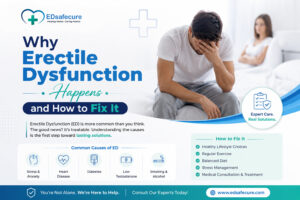
ED is more often linked to physical health conditions that affect blood flow, such as heart disease, diabetes, high blood pressure, and obesity. Psychological factors like depression and stress also play a major role. Treatment focuses on improving erections.
- Lifestyle Changes: Improving your diet, exercising regularly, quitting smoking, and reducing alcohol consumption can have a significant positive impact.
- Oral Medications: PDE5 inhibitors like sildenafil (Viagra), tadalafil (Cialis), and vardenafil (Levitra) are highly effective at increasing blood flow to the penis.
- Other Medical Treatments: For more severe cases, options include vacuum erection devices, penile injections, or implants.
- Therapy: Addressing psychological triggers like performance anxiety or depression is often a key part of successful treatment.
Breaking the Silence: Your Path Forward
Distinguishing between premature ejaculation and erectile dysfunction is the most important step toward finding relief. Both are common, treatable medical conditions—not signs of personal failure. The stigma surrounding these topics can prevent men from seeking help, but silence only prolongs the problem.
If you are experiencing symptoms of either PE or ED, the best course of action is to schedule a confidential conversation with your doctor. A proper diagnosis will illuminate the path to the right treatment, helping you restore your sexual health, confidence, and overall well-being.