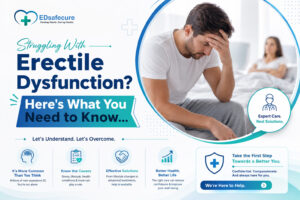
Why Erectile Dysfunction Happens and How to Fix It
Premature Ejaculation vs Erectile Dysfunction: Understanding the Key Differences
Navigating the world of sexual health can often feel confusing, especially when terms are used interchangeably. Two of the most common male sexual dysfunctions, Premature Ejaculation (PE) and Erectile Dysfunction (ED), are frequently mixed up. While both can cause significant distress and impact intimacy, they are fundamentally different conditions with distinct causes and treatments.
Understanding the difference is the first crucial step toward finding the right solution and reclaiming a confident, satisfying sex life. Let’s break down what each condition is, how they differ, and what you can do about them.
What is Premature Ejaculation (PE)?
Premature Ejaculation is a condition where ejaculation happens sooner than a man or his partner would like during sexual intercourse. Think of it as a problem of timing and control. A man with PE may ejaculate with very little sexual stimulation, sometimes before or shortly after penetration, and feels he cannot delay it.
For a diagnosis of PE, this pattern is typically persistent, occurs in most sexual situations, and causes personal distress or relationship difficulties. The erection itself is usually firm and functional; the issue lies solely with the timing of the climax.
What is Erectile Dysfunction (ED)?
Erectile Dysfunction is the inability to get or maintain an erection firm enough for satisfactory sexual performance. This is a problem related to mechanics and hardness. A man with ED might struggle to become erect at all, or he may lose his erection before or during intercourse.
While it’s normal for men to experience occasional difficulty with erections, especially during times of stress, ED refers to a consistent problem that interferes with sexual activity. It’s not about how quickly you finish, but rather about the ability to start or stay in the race.
The Core Difference: Timing vs. Hardness
The simplest way to distinguish between the two is to focus on the primary issue:
Premature Ejaculation (PE) is a problem of TIMING. The erection is present, but the ejaculation happens too quickly.
Erectile Dysfunction (ED) is a problem of HARDNESS. There is difficulty achieving or sustaining an erection in the first place.
Imagine a car. With PE, the car runs perfectly, but it finishes the race almost as soon as it starts. With ED, the car has trouble starting its engine or stalls midway through the race.
Can You Have Both PE and ED at the Same Time?
Yes, it’s possible to experience both conditions, and they can sometimes influence each other. For example, a man who is anxious about losing his erection (due to ED) might subconsciously rush to ejaculate while he is still firm, leading to PE. This cycle of performance anxiety can make both conditions worse. Conversely, the frustration from PE can lead to anxiety that makes it difficult to maintain an erection.
Exploring the Causes
The root causes of PE and ED often differ, which is why a correct diagnosis is so important.
Common Causes of Premature Ejaculation:
- Psychological Factors: Anxiety, stress, depression, relationship problems, and early sexual experiences that conditioned a rapid response.
- Biological Factors: Abnormal hormone levels, particularly serotonin (a brain chemical), inflammation of the prostate or urethra, and genetic traits.
Common Causes of Erectile Dysfunction:
- Physical Health Conditions: This is the most common cause. Conditions like heart disease, high blood pressure, diabetes, high cholesterol, and obesity can all affect blood flow to the penis.
- Psychological Factors: Depression, performance anxiety, stress, and relationship issues can interfere with sexual excitement.
- Lifestyle Choices: Smoking, excessive alcohol consumption, and lack of exercise contribute significantly to ED.
Navigating Treatment Options
Because the conditions are different, their treatments are too. The first and most important step for addressing either condition is to speak with a healthcare professional. They can provide an accurate diagnosis and recommend a safe and effective treatment plan.
Treatments for PE Often Include:
- Behavioral Techniques: Methods like the “start-stop” or “squeeze” technique to build control.
- Topical Anesthetics: Numbing creams or sprays to reduce sensitivity.
- Medications: Certain antidepressants (SSRIs) can be prescribed off-label as they have a side effect of delaying ejaculation.
- Pelvic Floor Exercises: Strengthening these muscles can improve ejaculatory control.
Treatments for ED Often Include:
- Lifestyle Changes: Improving diet, increasing exercise, quitting smoking, and reducing alcohol intake.
- Oral Medications: Prescription pills like Sildenafil (Viagra), Tadalafil (Cialis), and others that improve blood flow.
- Counseling or Therapy: To address underlying psychological issues like anxiety or depression.
- Other Medical Treatments: Including vacuum erection devices, injections, or hormone therapy if low testosterone is a factor.
Conclusion: Taking the First Step
Premature Ejaculation and Erectile Dysfunction are distinct medical conditions, not signs of personal failure. PE is about finishing too soon, while ED is about the struggle to get or stay firm. Both are incredibly common and, more importantly, treatable.
Don’t let confusion or embarrassment hold you back. Understanding the difference is the first step, but talking to a doctor is the most powerful one you can take on your journey to a healthier, more satisfying sex life.