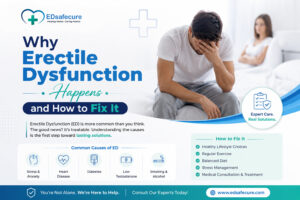
Erectile Dysfunction Treatment Guide for Men Over 40
Erectile Dysfunction Treatment Guide for Men Over 40
As men cross the 40-year milestone, many aspects of health and wellness come into sharper focus. One of the most common, yet least discussed, is erectile dysfunction (ED). If you’re experiencing challenges in this area, it’s crucial to know you are not alone. ED is a common medical condition, not a personal failing, and a wide range of effective treatments are available. This guide is here to demystify ED, explore its causes, and walk you through the effective treatment options available today.
What Exactly Is Erectile Dysfunction?
Erectile dysfunction is the consistent inability to achieve or maintain an erection firm enough for satisfactory sexual intercourse. It’s important to distinguish this from occasional difficulty, which can happen to any man at any age due to stress, fatigue, or alcohol. ED is a persistent issue that can impact self-esteem, relationships, and overall quality of life.
Why Does ED Become More Common After 40?
The link between age and ED is strong, primarily because the risk factors for ED accumulate over time. An erection is a complex process involving the brain, hormones, nerves, and blood vessels. As we age, changes in these systems can make achieving an erection more difficult.
Key factors include:
Vascular Health: Conditions like high blood pressure, high cholesterol, and atherosclerosis (hardening of the arteries) become more common after 40. These conditions can restrict blood flow to the penis, which is essential for an erection.
Hormonal Changes: While not the primary cause for most men, testosterone levels naturally decline with age. Low testosterone can contribute to a decreased libido and ED.
Underlying Health Conditions: The risk of developing conditions like type 2 diabetes and heart disease increases with age. Both are strongly linked to erectile dysfunction.
Medication Side Effects: Men over 40 are more likely to be on medications for blood pressure or depression, some of which can have ED as a side effect.
A Step-by-Step Guide to ED Treatment
Treating ED is rarely a one-size-fits-all approach. The best path forward often involves a combination of strategies, starting with the least invasive. Think of it as a journey, not a quick fix.
Step 1: Lifestyle and Natural Approaches
Before jumping to medication, it’s vital to address the foundation of your health. Your doctor will almost certainly recommend these changes as a first line of defense, as they can significantly improve erectile function and overall well-being.
Adopt a Heart-Healthy Diet: What’s good for your heart is good for your penis. Focus on a diet rich in fruits, vegetables, whole grains, and lean proteins, like the Mediterranean diet. These foods improve blood flow and fight inflammation.
Get Regular Exercise: Aim for at least 30 minutes of moderate-intensity cardiovascular exercise most days of the week. Activities like brisk walking, jogging, swimming, and cycling boost circulation and help maintain a healthy weight.
Quit Smoking and Reduce Alcohol: Smoking damages blood vessels and severely restricts blood flow. Excessive alcohol consumption can also interfere with your ability to achieve an erection. Cutting back or quitting can produce remarkable improvements.
Manage Stress and Prioritize Sleep: Chronic stress and sleep deprivation flood your body with cortisol, which can suppress testosterone and interfere with sexual function. Practice stress-reduction techniques like meditation, yoga, or hobbies you enjoy.
Step 2: Medical Treatments – Consulting Your Doctor
If lifestyle changes aren’t enough, it’s time to discuss medical options with your doctor. It is essential that you get a proper diagnosis to rule out underlying conditions and to ensure you are prescribed a safe and effective treatment.
Oral Medications (PDE5 Inhibitors): These are the most common and well-known treatments for ED. Medications like Sildenafil (Viagra), Tadalafil (Cialis), and Vardenafil (Levitra) work by increasing blood flow to the penis. They are highly effective but require sexual stimulation to work. Your doctor will help you choose the right one based on your health profile.
Testosterone Replacement Therapy (TRT): If a blood test confirms that your ED is linked to clinically low testosterone, your doctor may recommend TRT. This can be administered via gels, patches, or injections. It is not a solution for men with normal testosterone levels.
Other Medical Options: For men who cannot take oral medications, other effective treatments exist. These include vacuum erection devices (penis pumps), which draw blood into the penis mechanically, and alprostadil, a medication that can be self-injected into the penis or inserted as a urethral suppository to trigger an erection.
Penile Implants: In cases of severe ED where other treatments have failed, a surgical procedure to place a penile implant can be a permanent and highly effective solution.
Step 3: Addressing the Psychological Component
The mind plays a powerful role in sexual arousal. Performance anxiety, depression, stress, and relationship issues can all cause or worsen ED. Even if the initial cause is physical, the resulting anxiety can create a cycle of failure and fear. Speaking with a therapist or counselor, either individually or with your partner, can be an invaluable part of your treatment plan. It provides a safe space to address these concerns and develop coping strategies.
When to See a Doctor About ED
It’s time to book an appointment with your doctor if ED is a persistent issue that is causing you or your partner distress. More importantly, you should see a doctor because ED can be an early warning sign of a more serious underlying health problem, particularly heart disease. Think of it as your body’s “check engine” light. Addressing it not only improves your sex life but could also protect your long-term health.
The Takeaway: You Have Options
Erectile dysfunction after 40 is common, but it doesn’t have to be a permanent part of your life. It is a treatable medical condition, and there is no shame in seeking help. The first and most important step is to start a conversation with your doctor. By addressing your overall health and exploring the right treatments, you can regain control and confidence. Taking that step is a sign of strength and the beginning of a journey back to a fulfilling and healthy life.