How Long Does Sildenafil Take to Work? Onset, Duration and What Changes It
Short answer: sildenafil (the active ingredient in Viagra and its generics) usually starts to work within 30 to 60 minutes of taking a tablet, and its effect typically lasts around four hours. It does not create an erection on its own. Sexual stimulation is still needed. Timing varies from person to person, and food, alcohol, other medicines and your general health can all shift it.
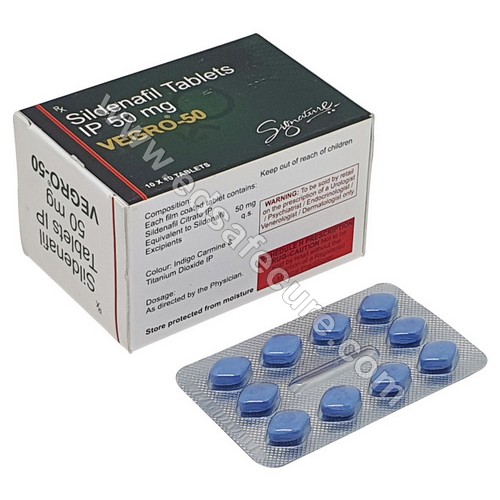
How sildenafil works
Sildenafil belongs to a group of medicines called PDE5 inhibitors. During sexual arousal the body releases nitric oxide, which raises a chemical messenger called cGMP. cGMP relaxes the smooth muscle in the penile arteries so more blood can flow in. The PDE5 enzyme breaks cGMP down; sildenafil blocks that enzyme so the signal lasts longer.
The key point is that sildenafil supports a process that arousal starts. Without stimulation there is little for the medicine to act on, which is why a tablet alone does not cause an erection. It also does not raise sex drive, protect against sexually transmitted infections or prevent pregnancy.
How long does it take to start working?
Prescribing information generally advises taking sildenafil about one hour before sexual activity. Many men notice an effect after 30 minutes and some a little sooner, but the range is wide. Blood levels of sildenafil usually peak around one hour after a dose on an empty stomach, which is where the “30 to 60 minutes” figure comes from.
If nothing seems to happen after 30 minutes, that is not necessarily a sign the tablet has failed. Arousal, relaxation and the right setting matter as much as the medicine itself. Anxiety about performance can blunt the response even when the drug is fully active. Our article on erectile dysfunction vs performance anxiety explains how to tell the two apart.
What can slow it down
- A heavy or high-fat meal. In clinical studies a high-fat meal delayed absorption by roughly an hour on average and lowered peak blood levels. A light meal or an empty stomach gives more predictable timing.
- Not being aroused. Stress, tiredness and worry can reduce the response.
- Large amounts of alcohol. Alcohol can blunt erections and add to dizziness and low blood pressure. See how smoking and alcohol affect erectile dysfunction.
- Grapefruit juice. It can raise sildenafil levels and increase side effects, so many clinicians advise avoiding it.
- Certain medicines. Some antifungal, antiviral and antibiotic medicines slow the way the liver clears sildenafil, which can raise levels and side effects.
How long does sildenafil last?
The effect usually lasts about four hours, sometimes a little longer, and gradually fades. The medicine itself has a half-life of around four hours, so traces remain in the body longer than the useful effect. A higher dose does not reliably make it last longer; it mainly raises the chance of side effects.
The labelled maximum is one dose per 24 hours. Tablets are made in 25 mg, 50 mg and 100 mg strengths. A lower starting dose is often chosen for men over 65, for people with significant liver or kidney problems and for those taking certain interacting medicines. The right strength should be set by a doctor or pharmacist who knows your health history, not by guesswork.
Sildenafil compared with other ED tablets
Sildenafil is one of four commonly used PDE5 inhibitors. Tadalafil lasts much longer (up to about 36 hours), while vardenafil and avanafil are closer to sildenafil in duration but differ in onset and food effects. If timing is the main frustration, ask a doctor whether a different option might suit your routine better. You can also read our overview of the best medicines and treatments for erectile dysfunction.
Common side effects
Headache, facial flushing, indigestion, a blocked nose and dizziness are among the more common effects. Some people notice a blue tint to their vision or extra sensitivity to light for a short time. Most side effects are mild and settle as the medicine wears off. Persistent or troublesome effects are worth discussing with a clinician rather than simply stopping and restarting on your own.
When to get medical help straight away
- An erection lasting longer than four hours (priapism), which can damage tissue if untreated.
- Sudden loss or decrease of vision in one or both eyes.
- Sudden decrease or loss of hearing, sometimes with ringing or dizziness.
- Chest pain, fainting or a racing heartbeat during sexual activity.
Medicines and conditions that need a doctor’s input first
Sildenafil must never be combined with nitrate medicines used for chest pain, because the combination can cause a dangerous drop in blood pressure. Riociguat, a medicine for pulmonary hypertension, is also contraindicated. Alpha-blockers, some blood pressure medicines and certain antifungal and antiviral drugs can interact too, so always give your doctor or pharmacist a full list of what you take, including supplements.
If you have heart disease, low blood pressure, liver or kidney problems, an inherited eye condition such as retinitis pigmentosa, or have had a stroke or heart attack, ask a doctor whether sildenafil is safe for you. Blood pressure and heart health are closely tied to erections, as we explain in how blood pressure affects erections. Our guide on when to see a doctor for erectile dysfunction describes what to expect from that conversation, and common causes of erectile dysfunction covers underlying problems worth checking.
Practical tips for more predictable results
- Follow the instructions given by your prescriber and the patient leaflet.
- Choose a lighter meal on the day you plan to take it.
- Keep alcohol modest.
- Allow time and a relaxed setting; pressure often makes erections harder.
- Do not split, crush or combine tablets from different brands unless a clinician tells you to.
- If it does not seem to work after several attempts, speak with a clinician rather than taking extra tablets.
- Support the basics: regular activity, sleep, a balanced diet and not smoking all help blood flow. Our guide to lifestyle changes to improve erectile dysfunction goes into detail.
Readers who want to compare sildenafil products and strengths can browse our sildenafil category and read each label carefully. See our drug policy and FAQs for how we handle medicine information.
Frequently asked questions
Can I take sildenafil with food?
Yes, but a heavy or fatty meal can delay its effect. A light meal or an empty stomach is usually better for timing.
Does sildenafil work without arousal?
No. It supports the body’s normal response to stimulation; it does not trigger an erection by itself.
Can I take a second tablet if the first one does not work?
No. The labelled limit is one dose in 24 hours. Taking more raises the risk of side effects without a reliable benefit.
Is generic sildenafil the same as Viagra?
Generic versions contain the same active ingredient. Differences are mainly in brand, appearance and price. Always check that a product comes from a trustworthy, regulated source.
Does sildenafil stay in the body for days?
No. Its half-life is about four hours, so most of the dose is cleared within a day, although the useful effect fades well before that.
Conclusion
Expect sildenafil to take effect in roughly 30 to 60 minutes and to last around four hours, with timing affected mainly by food, alcohol, other medicines and your general health. If results are inconsistent, if you take other medicines, or if you have heart or blood pressure problems, a clinician can adjust the plan safely.
References
- U.S. FDA prescribing information for Viagra (sildenafil citrate).
- NHS: Sildenafil (Viagra) medicine information.
This article is general education, not individual medical advice. It has not been written as a substitute for a consultation with a licensed healthcare professional.