Dapoxetine for Premature Ejaculation: What to Know Before Considering It
Short answer: dapoxetine is a short-acting medicine in the SSRI family that is taken on demand, one to three hours before sex, to help delay ejaculation in men with premature ejaculation (PE). In trials it increased the time to ejaculation, but it also has side effects and important interaction risks, and it is not approved in every country. It should be considered only after a proper assessment by a doctor.
What is premature ejaculation?
Premature ejaculation is one of the most common male sexual concerns. International guidelines describe lifelong PE as ejaculation that always or nearly always happens within about one minute of penetration, with a feeling of little or no control and distress for the man or his partner. Acquired PE develops after a period of normal function and is often linked to other causes. Occasionally finishing sooner than you would like is normal and not a disorder.
PE is different from erectile dysfunction, although the two can occur together. Our article on premature ejaculation vs erectile dysfunction explains how doctors tell them apart, and PE vs low libido covers another common mix-up.
What is dapoxetine?
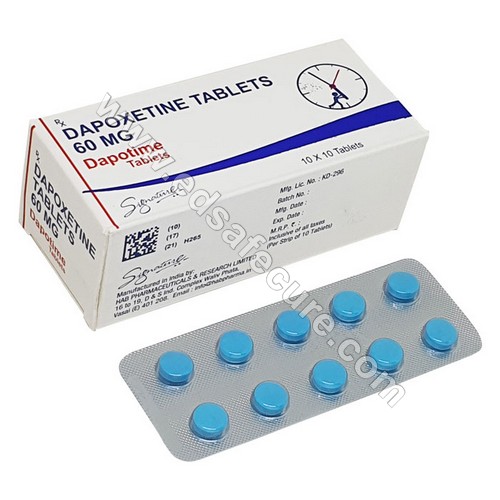
Dapoxetine is a selective serotonin reuptake inhibitor (SSRI) designed specifically for on-demand use. Other SSRIs, such as paroxetine or sertraline, are antidepressants that are sometimes prescribed off-label for PE and are taken daily. Dapoxetine is absorbed quickly and cleared rapidly, with most of the drug gone from the body within about a day. That quick action is why it is taken only when needed.
Serotonin helps control the ejaculation reflex in the nervous system. By keeping more serotonin available at nerve junctions, dapoxetine can raise the threshold at which the reflex is triggered. It does not improve erections and is not an ED treatment.
Availability differs by country. Dapoxetine is approved in a number of countries in Europe, Asia and elsewhere, but it is not approved by the U.S. FDA. Check the regulatory status where you live and use only products supplied through legitimate, regulated channels.
What do trials show?
In large placebo-controlled trials, men with PE had an average time to ejaculation after penetration (intravaginal ejaculatory latency time, or IELT) of roughly one minute at the start. With 30 mg or 60 mg dapoxetine, average IELT rose to roughly three minutes, compared with a smaller rise on placebo. Men also reported better control and lower distress. The benefit is real but moderate, and not everyone responds.
It is important to keep expectations realistic. Dapoxetine is a tool to delay ejaculation; it is not a cure for the underlying pattern. Many men benefit from combining medicine with behavioural strategies or counselling, particularly when anxiety is involved.
How it is used
- Dose: usually 30 mg as a first dose, which a doctor may increase to 60 mg if the lower dose is well tolerated but not effective enough.
- Timing: taken one to three hours before sexual activity, with a full glass of water.
- Frequency: no more than once in 24 hours.
- Not for daily use: it is an on-demand medicine.
A doctor will usually review progress after a few doses to decide whether to continue, adjust or stop.
Side effects
The most common side effects are nausea, dizziness, headache, diarrhoea and sleepiness. Some men also notice a dry mouth, difficulty concentrating or reduced libido. A smaller number experience fainting or a sudden drop in blood pressure when standing, particularly if they take it with alcohol or are dehydrated. For that reason it is wise to avoid driving or dangerous activities until you know how it affects you, and to stay well hydrated.
Like other SSRIs, dapoxetine can very rarely be linked to mood changes or thoughts of self-harm. Men with a history of depression, mania or bipolar disorder need specialist advice before using it. If you notice unusual changes in mood or behaviour, stop and speak to a doctor promptly.
Interaction risks and who should not use it
Dapoxetine interacts with many medicines, which is why a medical review matters. Combinations that are contraindicated or need careful avoidance include:
- MAOI antidepressants and certain related drugs, which can trigger a dangerous reaction called serotonin syndrome.
- Other SSRIs, SNRIs, tricyclics, lithium, tramadol and triptans, which also raise serotonin activity.
- Strong CYP3A4 inhibitors, such as some antifungal and HIV medicines, which raise dapoxetine levels.
- Thioridazine and some other drugs that affect heart rhythm.
- PDE5 inhibitors, which need cautious dosing because both can lower blood pressure. Read our guide on ED pills and nitrates for related safety points.
It is generally not recommended for men with significant heart disease, heart rhythm disorders, moderate to severe liver impairment, or a history of fainting, and it is not for men under 18. Always give your doctor a complete list of your medicines, including supplements and recreational substances.
Non-drug options worth discussing
Medicine is only one part of the picture. Evidence supports several non-drug approaches, often used together:
- Stop-start and squeeze techniques: pausing stimulation or applying pressure before the point of no return helps you learn to recognise and control arousal.
- Pelvic floor exercises: strengthening these muscles may improve ejaculatory control in some men.
- Counselling or sex therapy: cognitive behavioural approaches help with performance anxiety and relationship stress.
- Topical anaesthetic creams or sprays and thicker condoms: reduce sensitivity; follow the instructions to avoid numbing your partner.
- Lifestyle: regular activity, good sleep and moderate alcohol support overall sexual function.
Our practical guide to techniques to last longer naturally and our article on premature ejaculation and hormonal imbalance expand on these topics.
When to see a doctor
Seek medical advice if PE is persistent, distressing or new, if it comes with erectile problems, pain, low desire or urinary symptoms, or if you are thinking of using a prescription medicine. A doctor can check for thyroid, prostate, hormone or mental health factors, review medicines that may contribute, and tell you whether dapoxetine is suitable. Our article on when to see a doctor for erectile dysfunction also applies to many men with PE, and psychological causes are a common theme in both conditions.
If you would like to read product information, our dapoxetine category lists labels and strengths. See our drug policy and FAQs for how we handle medicine information.
Frequently asked questions
How long before sex should dapoxetine be taken?
One to three hours before, according to product information. Taking it too late means it may not yet be at effective levels.
Can I take dapoxetine every day?
It is designed for on-demand use and should not be taken more than once in 24 hours.
Can I combine dapoxetine with an ED pill?
Some men use both, but only under medical supervision, because both can lower blood pressure and cause dizziness.
Is it safe to drink alcohol with dapoxetine?
Alcohol increases the risk of dizziness and fainting, so most guidance advises avoiding or minimising it.
Will dapoxetine permanently cure premature ejaculation?
No. It delays ejaculation while it is active. Behavioural methods and treating underlying causes can provide longer-term benefit.
Conclusion
Dapoxetine can modestly delay ejaculation for men with PE, but it carries side effects and serious interaction risks, so it needs a doctor’s assessment. For many men the best results come from combining it, when appropriate, with behavioural techniques, stress management and treatment of any underlying health problems. If PE is affecting your confidence or relationship, a conversation with a clinician is the safest first step.
References
- International Society for Sexual Medicine guidelines on premature ejaculation.
- Published phase 3 trials of dapoxetine in premature ejaculation and product information in approved countries.
This article is general education, not individual medical advice. It has not been written as a substitute for a consultation with a licensed healthcare professional.